 01
01Day 1 · Advanced neurosonography
Fetal neurosonography
Learn how to perform a thorough neurosonographic examination, starting with the correct anatomical planes and moving on to recognizing anatomy and making differential diagnoses.

This two-day course guides you from learning the correct imaging planes to confidently identifying images and making differential diagnoses. You will practice with real clinical cases and realistic simulations.
Early bird 20% until 26 October 2026
Thu 26 & Fri 27 November 2026 · Rotterdam · Book day 1, day 2, or both
 Workshop experience
After each focused lecture, you will go directly into a simulation session supervised by faculty. You will work in pairs and use the ultrasound simulator yourself, so everyone has plenty of time to practice.
In this two-day course on fetal cardiac and neurosonography, you will attend short lectures led by experts and spend plenty of time on hands-on, case-based scanning with the Volutracer OPUS®. You can book day 1, day 2, or both days.
01Learn how to perform a thorough neurosonographic examination, starting with the correct anatomical planes and moving on to recognizing anatomy and making differential diagnoses.
 02
02Learn a reliable approach to cardiac imaging, spatial orientation, and differential diagnosis through guided practice and feedback from experts.
You will learn directly from internationally recognized fetal medicine specialists in an environment that encourages questions, practice, and helpful feedback.

Professor in Obstetrics and Gynaecology and Fetal Medicine at Amsterdam University Medical Center.
Senior Medical Director, Fetal Medicine Unit for the ASL Bari health authority and Consultant in Fetal Medicine.
Each day begins with a review of the learning objectives and the full schedule. Breaks are included, but you will still have plenty of practical time.
Axial planes, coronal planes, sagittal planes
Agenesis of the corpus callosum (ACC), partial agenesis of the corpus callosum (p-ACC), absent septum pellucidum / septo-optic dysplasia (ASP/SOD), alobar and semilobar holoprosencephaly (HPE), lobar holoprosencephaly (HPE)
Mild, moderate, and severe ventriculomegaly, hydrocephaly, haemorrhagic ventriculomegaly
Blake’s pouch cyst (BPC), Dandy–Walker malformation (DWM), Joubert syndrome, mega cisterna magna (MCM)
Rhombencephalosynapsis (RES), Chiari II malformation, cerebellar haemorrhage
Dural venous sinus thrombosis, brain tumour, arachnoid cyst, connatal cysts
Complete balanced atrioventricular septal defect, partial atrial septal defect, ventricular septal defect
Ebstein’s anomaly, pulmonary stenosis, pulmonary atresia with intact ventricular septum
Aortic stenosis (moderate and critical), hypoplastic left heart syndrome
Double-inlet single ventricle, tricuspid atresia with VSD, unbalanced atrioventricular septal defect
Persistent left superior vena cava, interruption of the inferior vena cava with azygos continuation
Tetralogy of Fallot, pulmonary atresia with VSD, truncus arteriosus, transposition of the great arteries, corrected transposition of the great arteries, double outlet right ventricle
Coarctation of the aortic arch, interruption of the aortic arch, right aortic arch, double aortic arch
Left and right isomerism
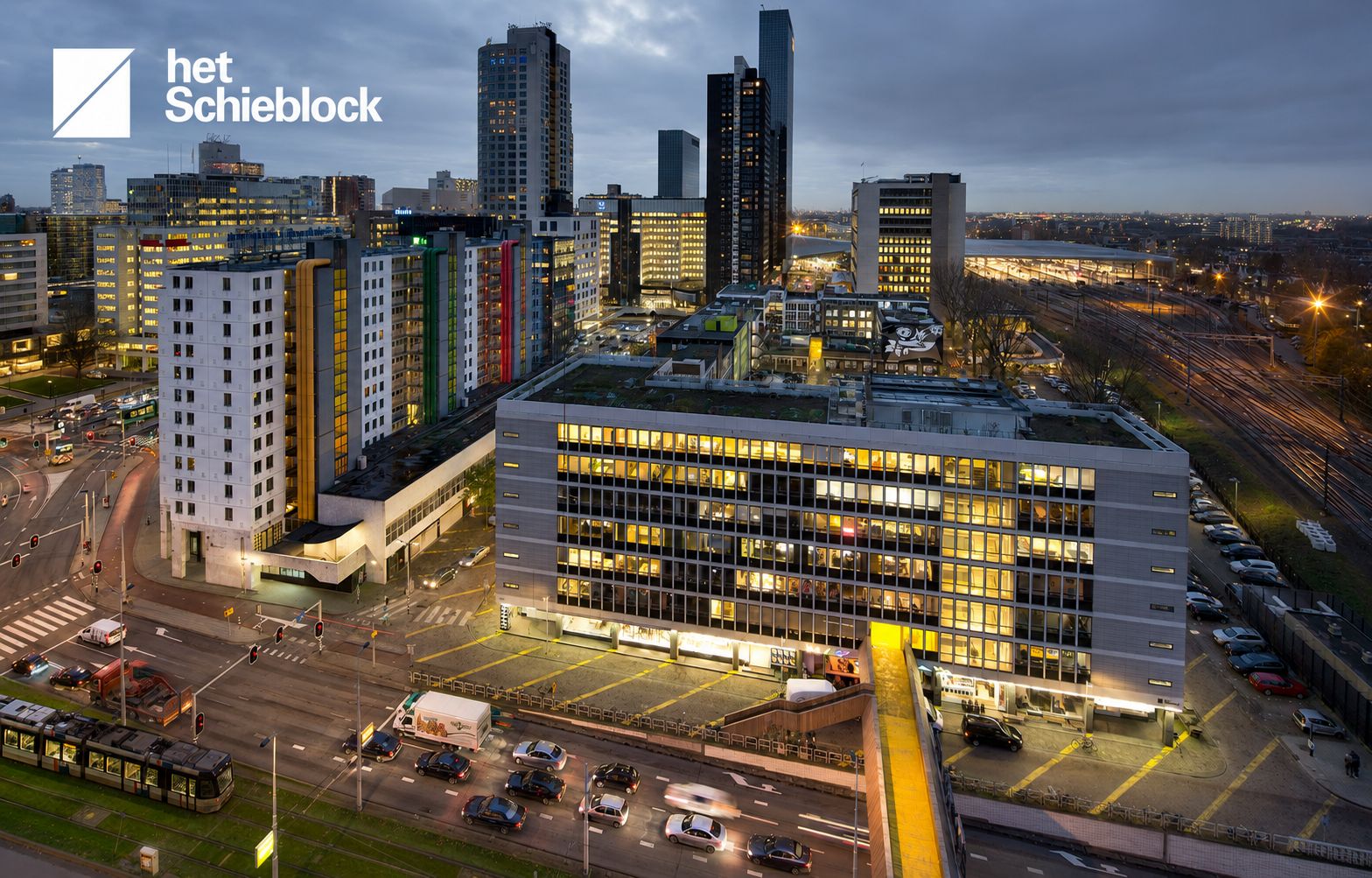
The Echolab Academy course takes place at FlexLabs in the Schieblock, located in the center of Rotterdam and a short walk from the main train station. The Schieblock is a creative hub, transformed from an old city building into a lively space for entrepreneurs and education. FlexLabs offers a relaxed, spacious setting that fits the interactive, hands-on style of the course. Rotterdam is known for its modern architecture, design, and urban innovation. With its unique skyline, famous landmarks like the Erasmus Bridge and Cube Houses, and a vibrant waterfront, the city has much to explore. This is a great chance to combine two days of focused ultrasound training with a visit to an exciting city.
High-fidelity simulation provides a safe and repeatable way to develop your probe technique and improve advanced procedures before using them in real clinical settings.
First, choose your category, then select if you want to attend day 1, day 2, or both. Payment is secure through Stripe, and all fees include 21% VAT.
For medical specialists, the fee is €450 for one day or €800 for both days. For sonographers, residents, and midwives, the fee is €350 for one day or €600 for both. You can get 20% off with early bird pricing until 26 October 2026. If you have questions before booking, please email Echolab Academy.